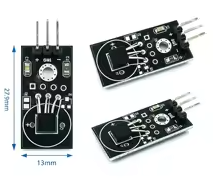
MAX4466 Microphone Amplifier Module Electret Mic
High-Sensitivity Audio Sensor for Sound Detection
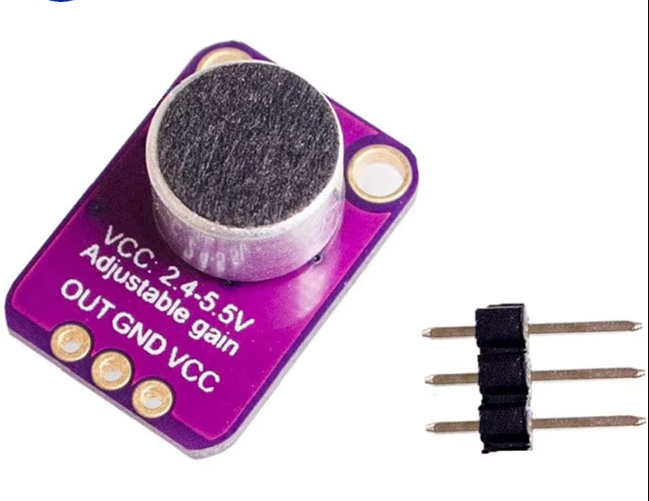
The MAX4466 Microphone Amplifier Module is a highperformance audio sensor featuring an electret condenser microphone and MAX4466 operational amplifier. This compact board provides adjustable gain for precise sound level detection, making it perfect for voiceactivated projects, audio visualizers, and noise monitoring applications with Arduino and other microcontrollers.
Built-in electret microphone with MAX4466 amplifier for clear audio capture
Features adjustable gain potentiometer for sensitivity control
Output is analog signal - connect to ADC pin of your microcontroller
Technical Specifications
| Parameter | Value |
|---|
| Amplifier IC | MAX4466 |
| Microphone Type | Electret Condenser |
| Supply Voltage | 2.4V - 5.5V DC |
| Current Consumption | ~1mA (typical) |
| Output Type | Analog Voltage |
| Gain Control | Adjustable Potentiometer |
| Frequency Response | 20Hz - 20kHz |
| SignaltoNoise Ratio | >60dB |
| Output Voltage | 0V - VCC |
| PCB Dimensions | ~12mm x 25mm |
| Mounting | 2.54mm Pin Header |
| Connector | 3-pin (VCC, GND, OUT) |
= Key Features =
High Sensitivity Builtin electret mic with MAX4466 amplifier
Adjustable Gain - Onboard potentiometer for sensitivity control
Wide Voltage Range - Works with 2.4V to 5.5V supply
Low Power Consumes only ~1mA for batterypowered projects
Analog Output - Simple connection to ADC pins
Compact Size Small form factor for spaceconstrained projects
Noise Filtering Builtin filtering for cleaner audio signals
Easy Integration - Compatible with all microcontrollers
= Applications =
- Voice-activated switches and systems
- Audio visualizers and spectrum analyzers
- Clap-activated projects
- Noise monitoring and decibel meters
- Sound-sensitive lighting effects
- Security and surveillance systems
- Music-reactive LED displays
- Voice-controlled devices
- Acoustic event detection
- Interactive installations
- Communication systems
- Audio recording projects
Wiring Guide
| Pin Name | Connection | Description |
|---|
| VCC | 2.4V - 5.5V | Power Supply |
| GND | Ground | Common ground |
| OUT | Analog Input (A0) | Audio signal output |
> Connect VCC to 3.3V or 5V depending on microcontroller
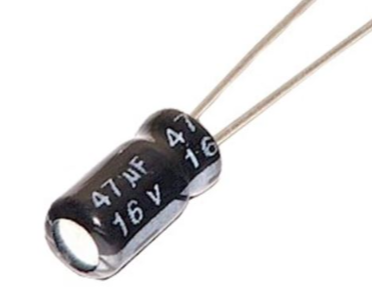
Use a 10µF capacitor in series for AC coupling if needed
Do not exceed 5.5V supply voltage
Quick Setup Guide
- Connect VCC to 3.3V or 5V power supply
- Connect GND to common ground
- Connect OUT to analog input pin (e.g., A0)
- Adjust gain potentiometer for desired sensitivity
- Read analog values from ADC pin
For best results, keep microphone away from vibration and noise sources
Adjust potentiometer until signal is clear without clipping
Avoid exposure to water or moisture
Output Characteristics
The MAX4466 provides analog voltage output proportional to sound intensity:
- Silence: ~1.5V (typical bias voltage)
- Quiet sound: Small voltage variations around bias
- Loud sound: Larger voltage swings (0V to VCC)
Output is centered at VCC/2 for maximum dynamic range
Use ADC to measure voltage changes for sound detection
Why Choose MAX4466 Module?
Highquality electret microphone with builtin amplifier
Simple analog output for easy integration
Adjustable gain for different environments
Low power consumption for portable projects
Compact design for flexible mounting
√ Works with Arduino, ESP32, Raspberry Pi
√ No additional components needed
√ Potentiometer adjusts sensitivity on the fly
√ Reliable performance at low cost
√ Perfect for voice and sound detection
Applications Example Ideas
- Clap Switch: Control lights with a clap
- Audio Visualizer: LEDs dancing to music
- Voice-Activated Assistant: Trigger commands
- Decibel Meter: Measure sound pressure levels
- Silent Alarm: Sound-triggered alerts
- Music Reactive Art: Interactive installations
Use with FastLED library for music-reactive LED projects
For voice recognition, external processing may be required
Safety Precautions
Do not exceed 5.5V supply voltage
Avoid electrostatic discharge (ESD) damage
Keep away from water and moisture
Protect from physical damage to microphone
Do not use near strong electromagnetic fields
Handle with care - microphone is sensitive
Store in anti-static bag when not in use
Performance Tips
Place microphone away from vibration sources
Use shielded wires for longer connections
Adjust gain to avoid clipping (distortion)
For voice detection, position microphone near sound source
Use moving average filtering in software for stable readings
The MAX4466 Microphone Amplifier Module provides an easy and affordable way to add sound detection to your projects. With adjustable gain and simple analog output, it's the perfect choice for voice, music, and noise-sensing applications.
MAX4466 MICROPHONE AUDIOSENSOR SOUNDDETECTION VOICEACTIVATED ARDUINO ESP32 AUDIOVISUALIZER DIY CLAPSWITCH SOUNDSENSOR ELECTRETMIC New Best Seller Audio Sensor