SOIL MOISTURE SENSOR
KSH 400.00
In Stock
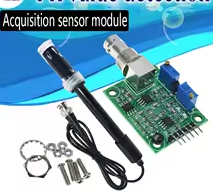
This soil moisture sensor measures water content in soil, providing essential data for automated plant watering systems and smart gardening projects. Compatible with Arduino and similar microcontroller boards, it offers a simple solution for monitoring plant health and automating irrigation.
| Parameter | Value [citation:1][citation:6][citation:12] |
|---|---|
| Operating Voltage | 3.3V to 5.5V DC |
| Output Type | Analog (03.0V or 01023 ADC value) |
| Interface | 3-pin (VCC, GND, AO) |
| Dimensions | ~99mm x 16mm (capacitive V1.2) |
= Key Features =
+Analog Output - Provides a variable voltage signal corresponding to soil moisture levels
+Low Power Consumption Suitable for batterypowered IoT applications
+Builtin Comparator (some models) Digital output option with adjustable threshold via potentiometer [citation:12]
+CorrosionResistant Option Capacitive sensors resist oxidation for extended lifespan [citation:6]
+Wide Compatibility - Works with Arduino, ESP32, and Raspberry Pi (with ADC) [citation:6][citation:15]
√ Easy integration with Arduino, ESP32, and other microcontrollers
√ Suitable for indoor and outdoor gardening projects
√ Available in both resistive and capacitive versions for different needs
Inconsistent readings:
No output:




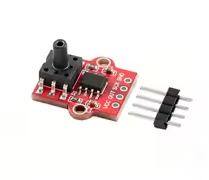
 2.jpg "Buy AD8232 Analog Heart Rate Pulse Sensor (ECG) kit for KSH 1,500 – HIMASTORES Mombasa – Quality electronics in Mombasa, Kenya")